

Blogs


Deflection and Diversion: When to Ask for Help?
Across the country, enormous effort has been made in building treatment systems, deflection initiatives, diversion programs, and recovery supports. Organizations like Police, Treatment, and Community Collaboratives (PTACC) and Collaborative Courts are helping communities create pathways away from arrest and toward care.
What we consistently see, however, is that families are present at every stage of addiction and mental health response - but rarely supported in a structured way.
Families call 911. Families advocate with their loved one for treatment entry. Families finance treatment and recovery. Families manage continuing care, relapse, and re-entry into treatment.
Yet most systems are designed around the individual, not the family navigating the crisis alongside their loved one. Deflection and Diversion programs are designed to close the gaps. Family Recovery Collective is here to help translate addiction, mental health, and justice-system processes into practical education that helps families respond effectively rather than react emotionally. This Blog is for you.
So let’s get started explaining Deflection and Diversion programs and what families need to know.
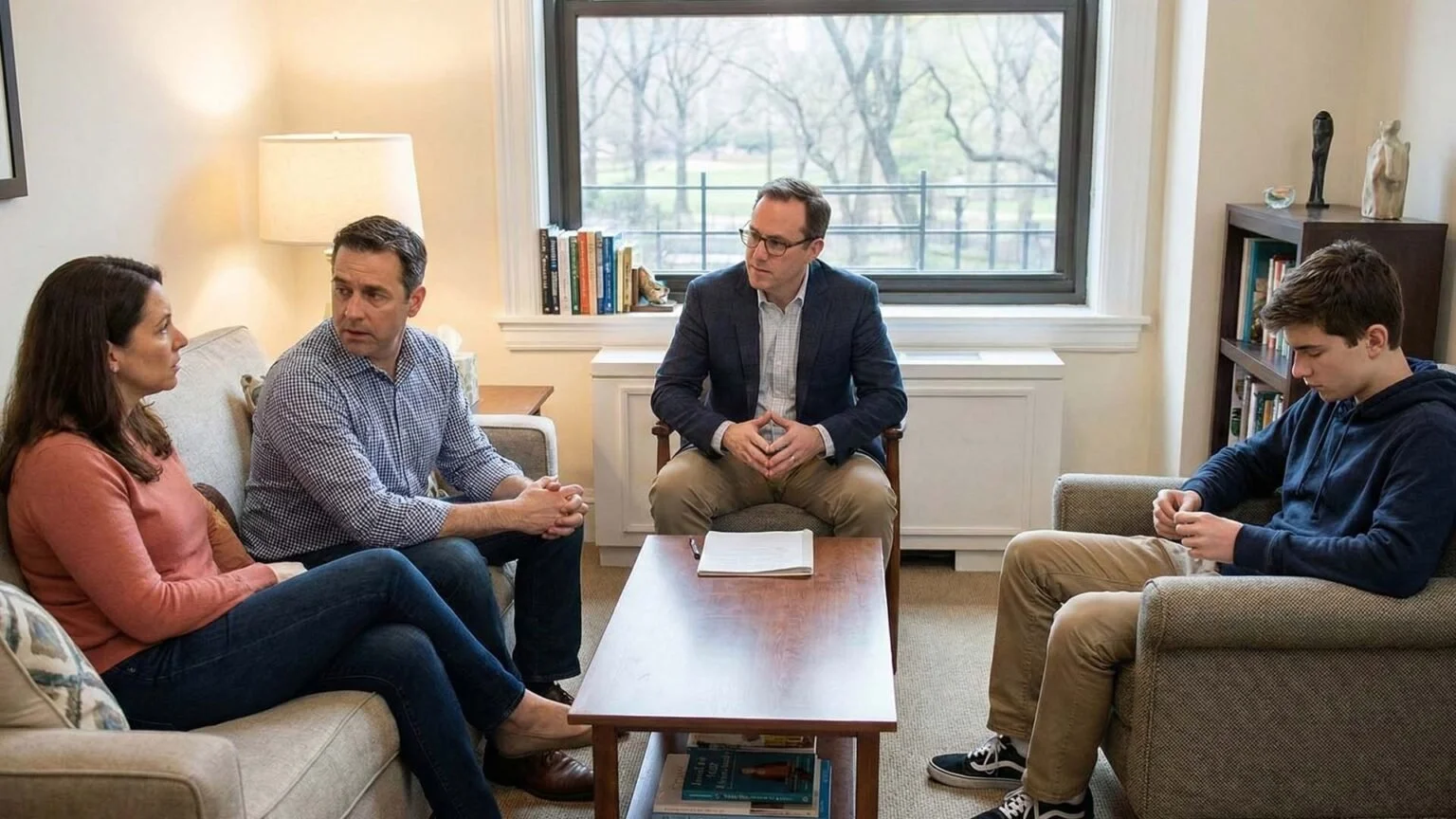

Parenting, Addiction and Mental Health: When the Child You Raised Becomes an Adult You Can’t Protect
Parenting doesn’t end when children become adults. And, there are differences between how to approach parenting when your loved one is 18-25 and when they are over 25.
In this "personal reflection" Blog, Neely shares both her experience of parenting and thoughts on how families can support adult children facing addiction and mental health challenges while setting healthy boundaries and finding peace in the process.